
Publications
Research
BlackMind studies machine intelligence at its true substrate — compiled bytecode, Boolean logic, and standard-cell silicon. Every capability claim is discharged by machine proof, and every number re-derives from a committed, machine-checked receipt.

All papers
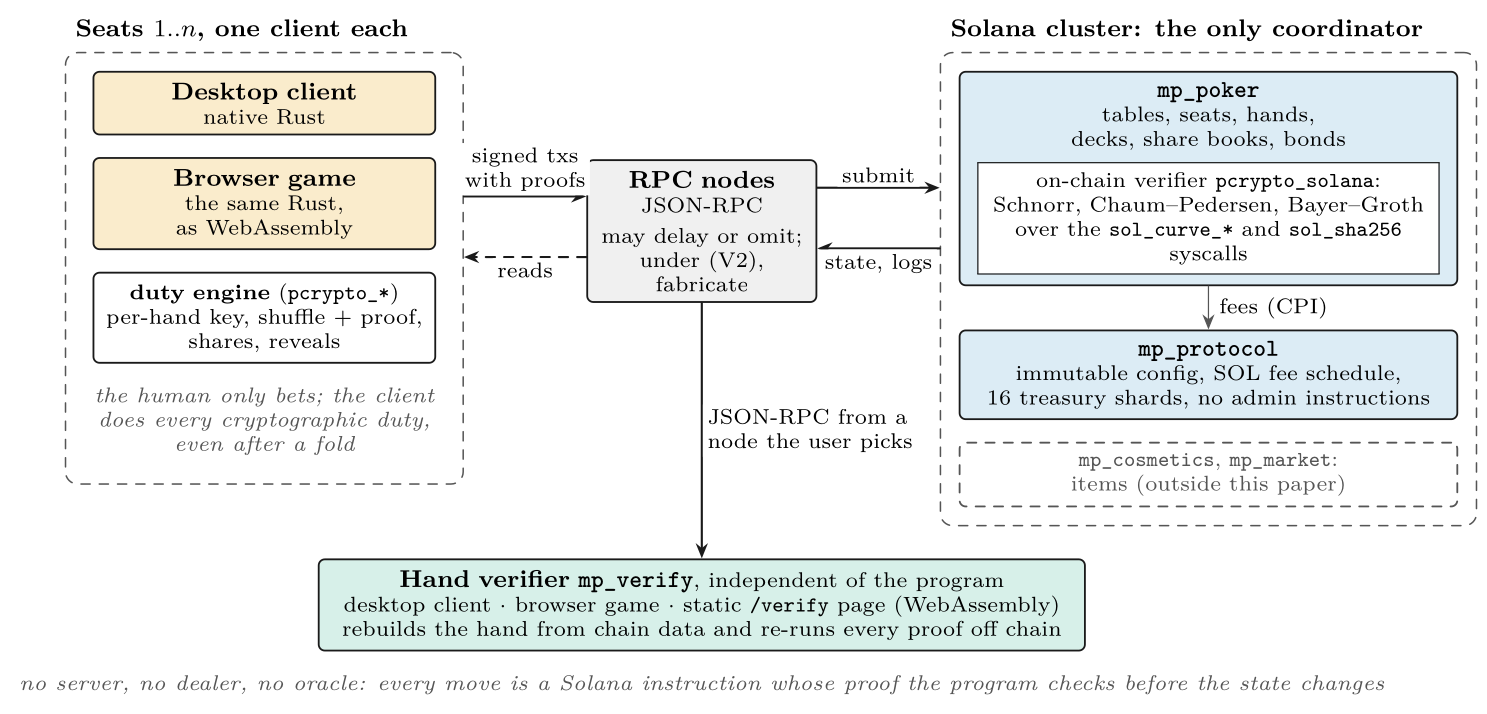
On-Chain Bayer–Groth Shuffle Verification for Dealerless Texas Hold'em
A nine-handed Texas Hold'em system on Solana with no dealer, no server and no house. The players' own clients shuffle and deal to each other with mental-poker cryptography, and Solana programs verify every key, shuffle and card reveal on chain before a card moves — the first system to check a transparent Bayer–Groth shuffle argument natively inside Solana programs.
Read paper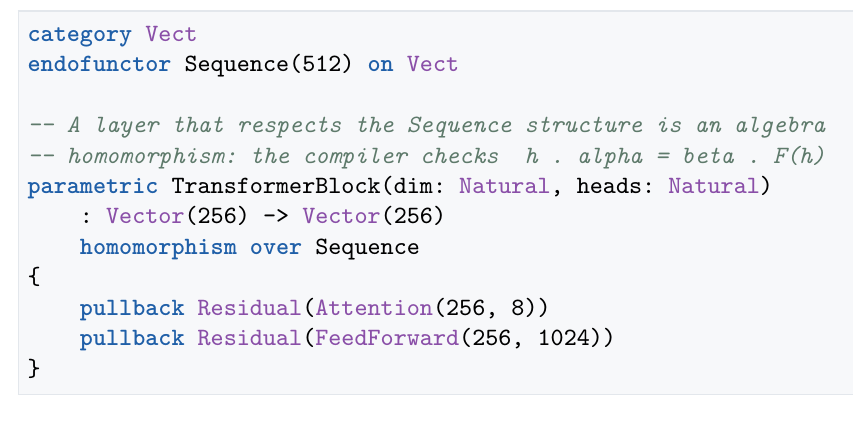
Morpheus: A Categorical Programming Language for Deep Learning
A language where category theory is the type system — every program that type-checks is a structurally valid architecture, and the compiler can prove it in Lean 4.
Read paper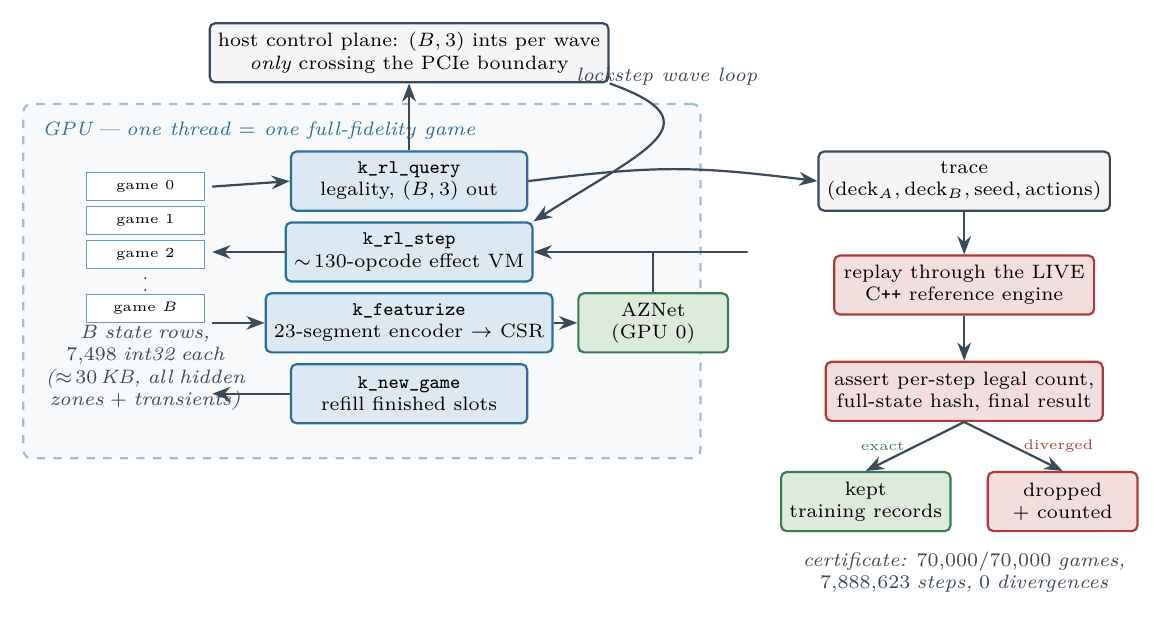
Alphamon: Bit-Exact GPU Self-Play, a Training-Free Value Bound, and Search-Dominated Play
An AlphaGo-style agent for the Pokémon TCG — with bit-exact GPU self-play, a training-free ceiling on what learning can buy, and search-dominated play.
Read paper
A Conditioning-Emergence Probe for Latent Diffusion Transformers
BlackMind's first image model: a latent diffusion transformer trained from scratch on CC12M whose prompt-conditioning is measured climbing from chance to 24% of the caption ceiling — plus a Muon optimiser win and a purpose-built CLIP metric that tracks prompt-conditioning the training loss does not capture.
Read paper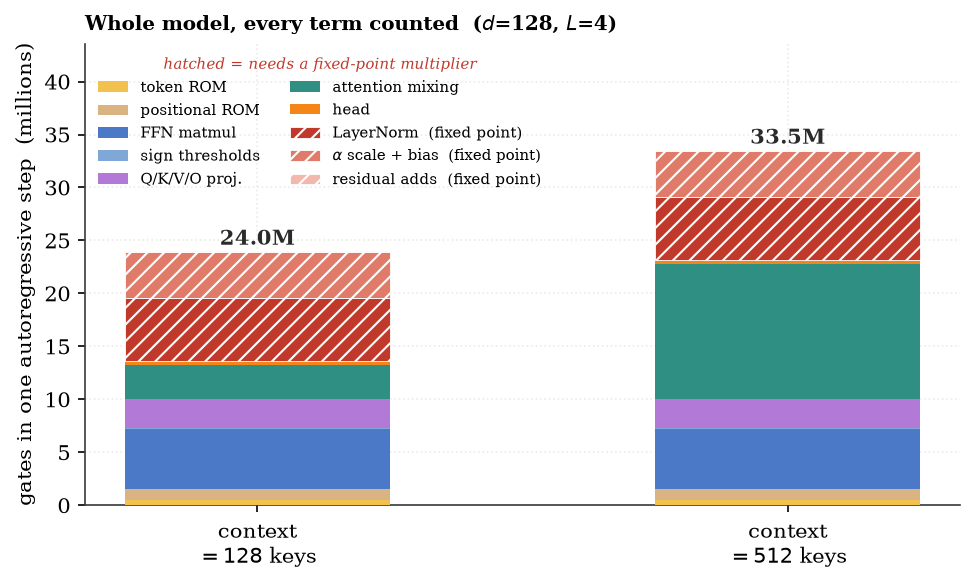
Binary Circuit Models
Compiling a small binary language model into a logic circuit.
Read paper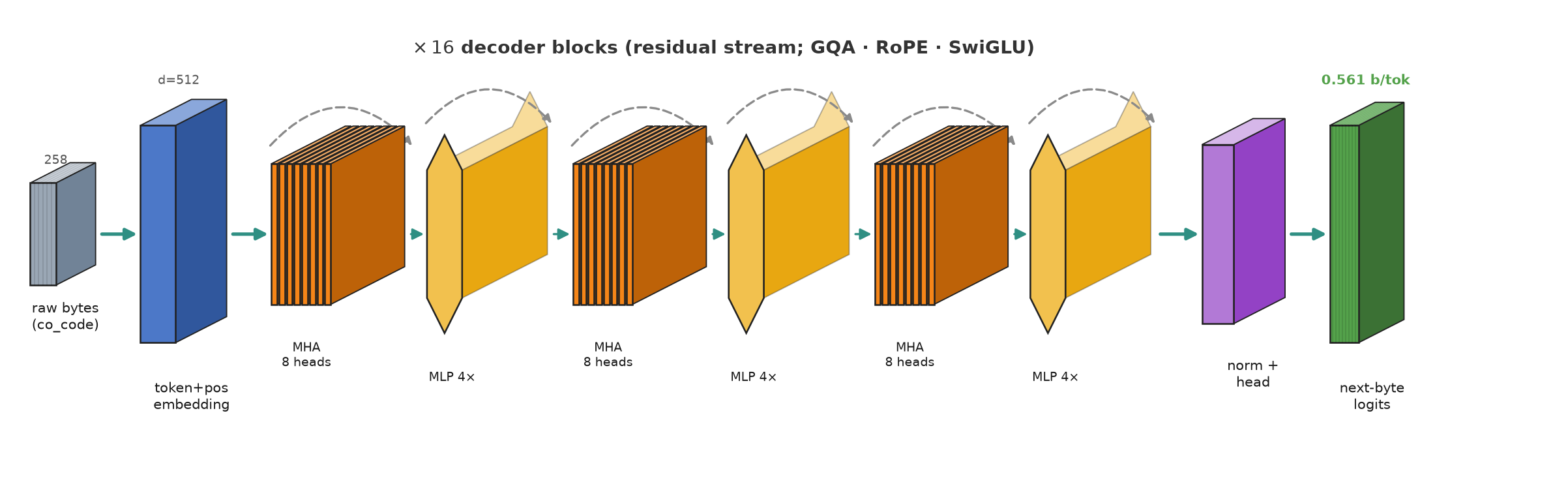
Large Binary Models
Language modeling of compiled bytecode, without language.
Read paper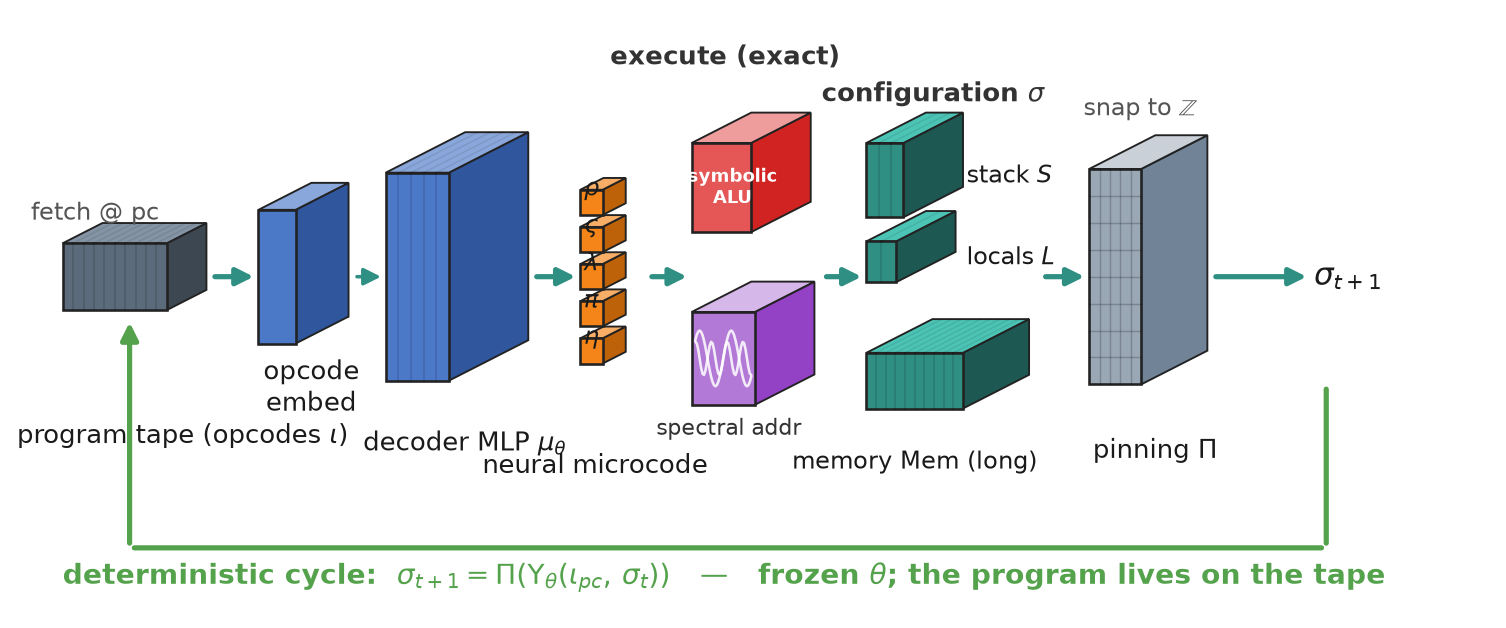
The General Purpose Neural Computer
A learned, grounded, deterministic interpreter of a Turing-complete instruction set.
Read paper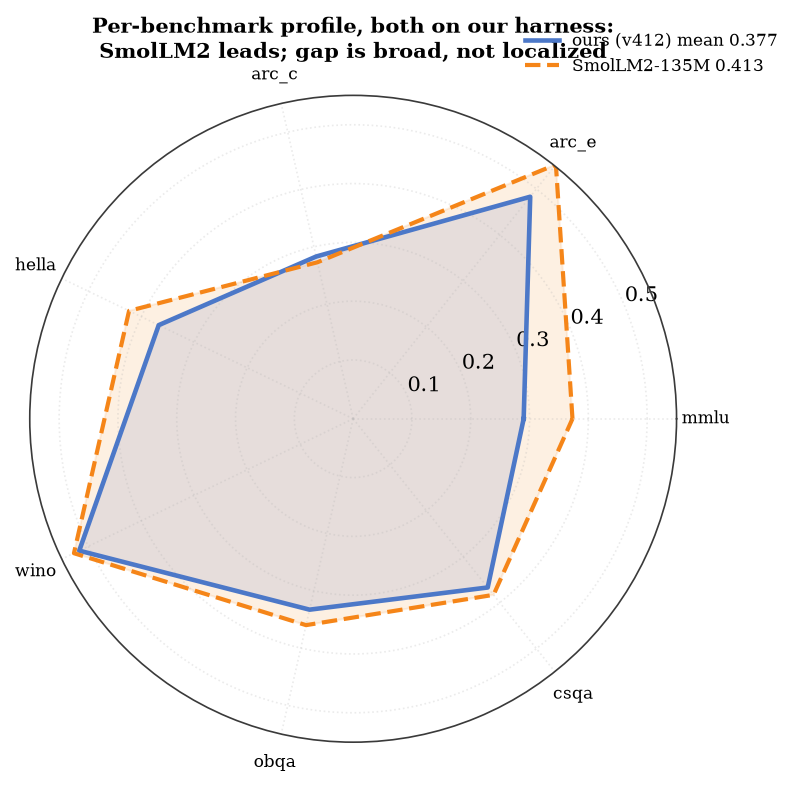
Chasing the Small-Frontier on a Fixed Rig
Metric artifacts, a learning-rate crack, and an honestly measured gap.
Read paper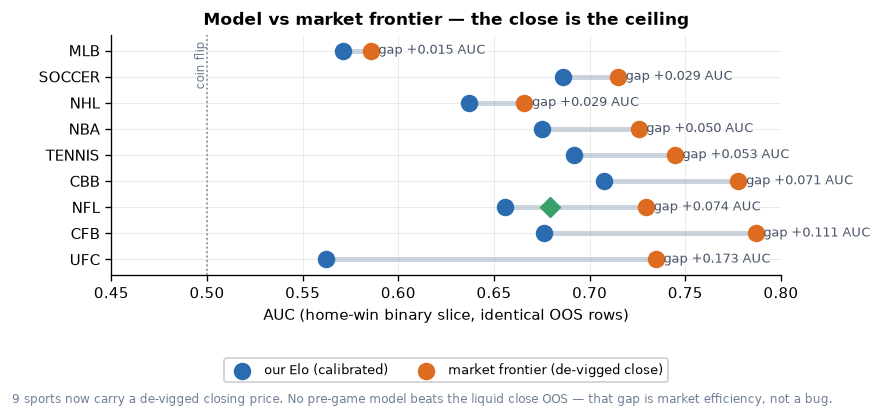
Calibrated Prediction Across 16 Sports, and the Honest Wall of the Closing Line
Well-calibrated models beat naive baselines everywhere and the liquid closing line nowhere — an adversarially audited map of where a sports-betting edge actually lives.
Read paper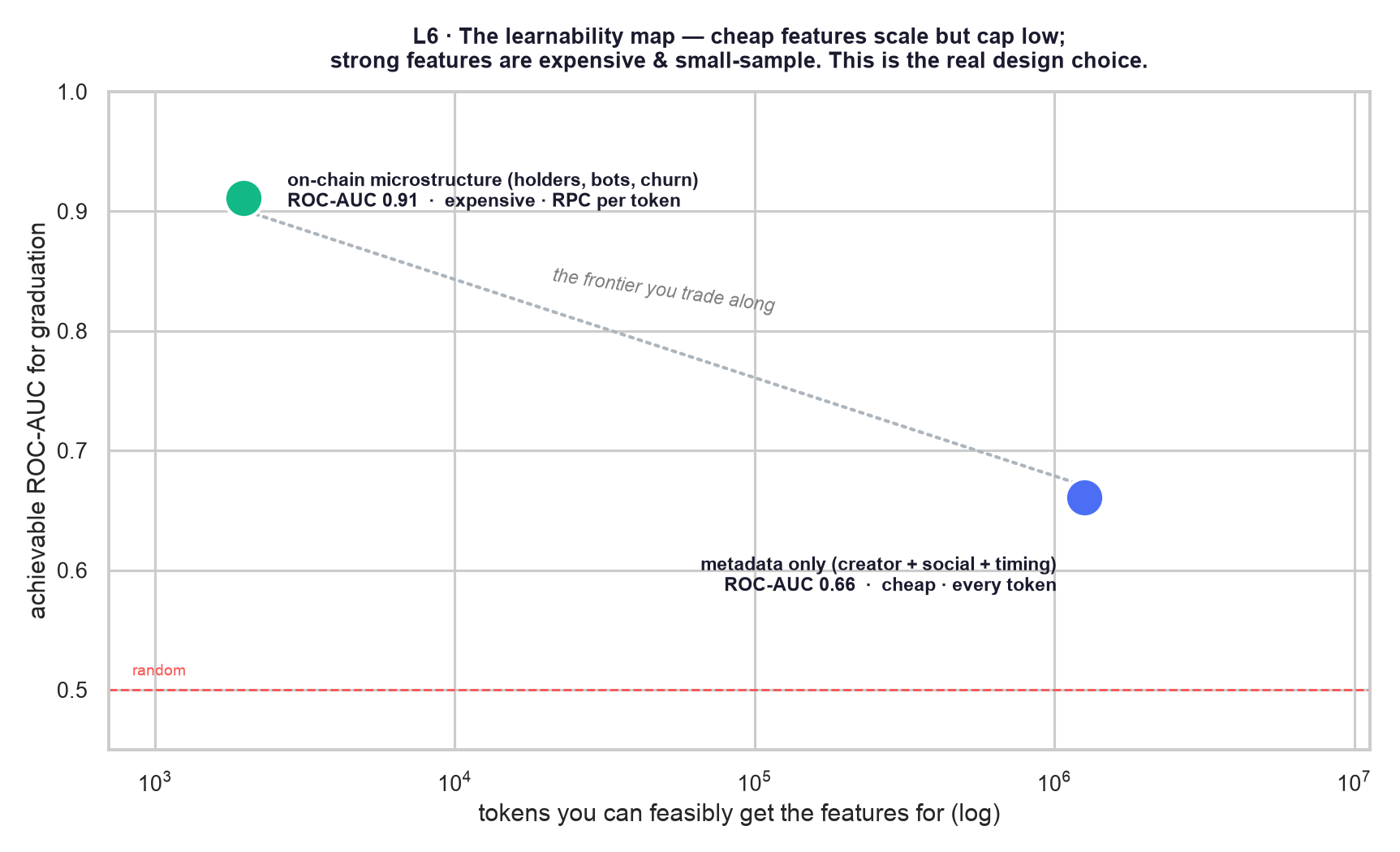
Learnability of pump.fun Meme Tokens
Leakage-free, regime-aware modeling of whether a meme token graduates — and what happens after it does.
Read paper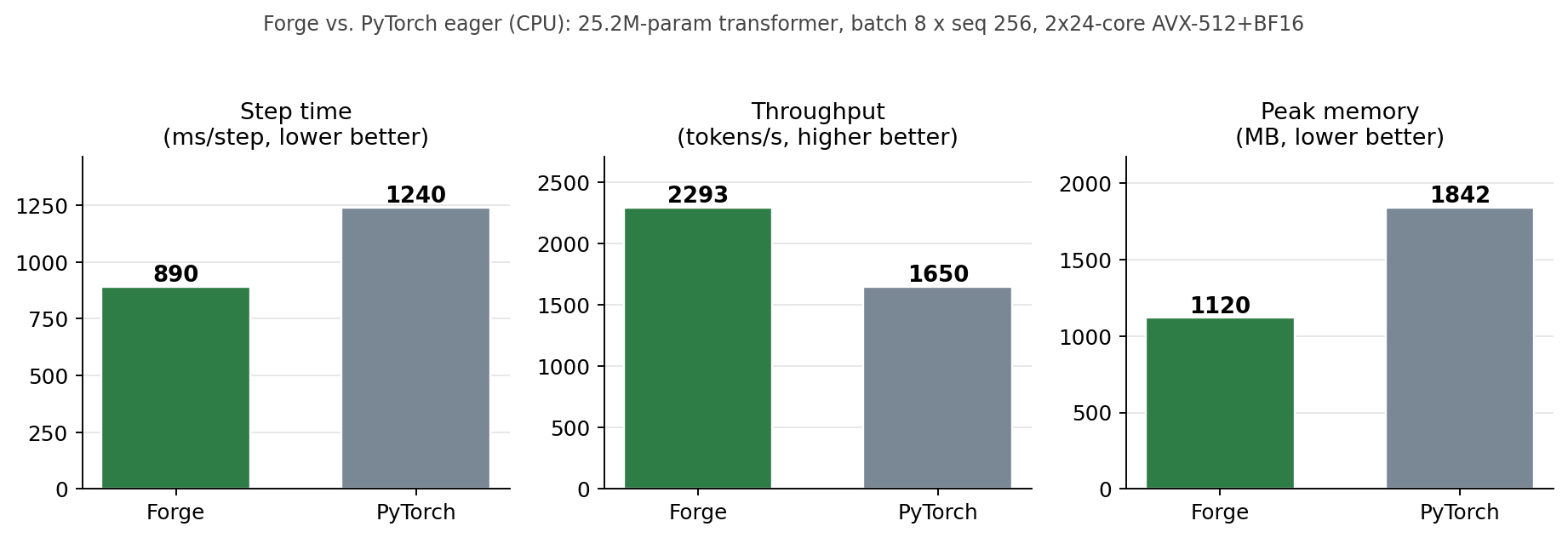
GCPU: A CPU-First Training Runtime and Morpheus, a Categorical Deep-Learning Language
Two attacks on the GPU chokehold: make a commodity CPU behave like a training accelerator, and make a compiler check your architecture is categorically valid before it ever runs.
Read paper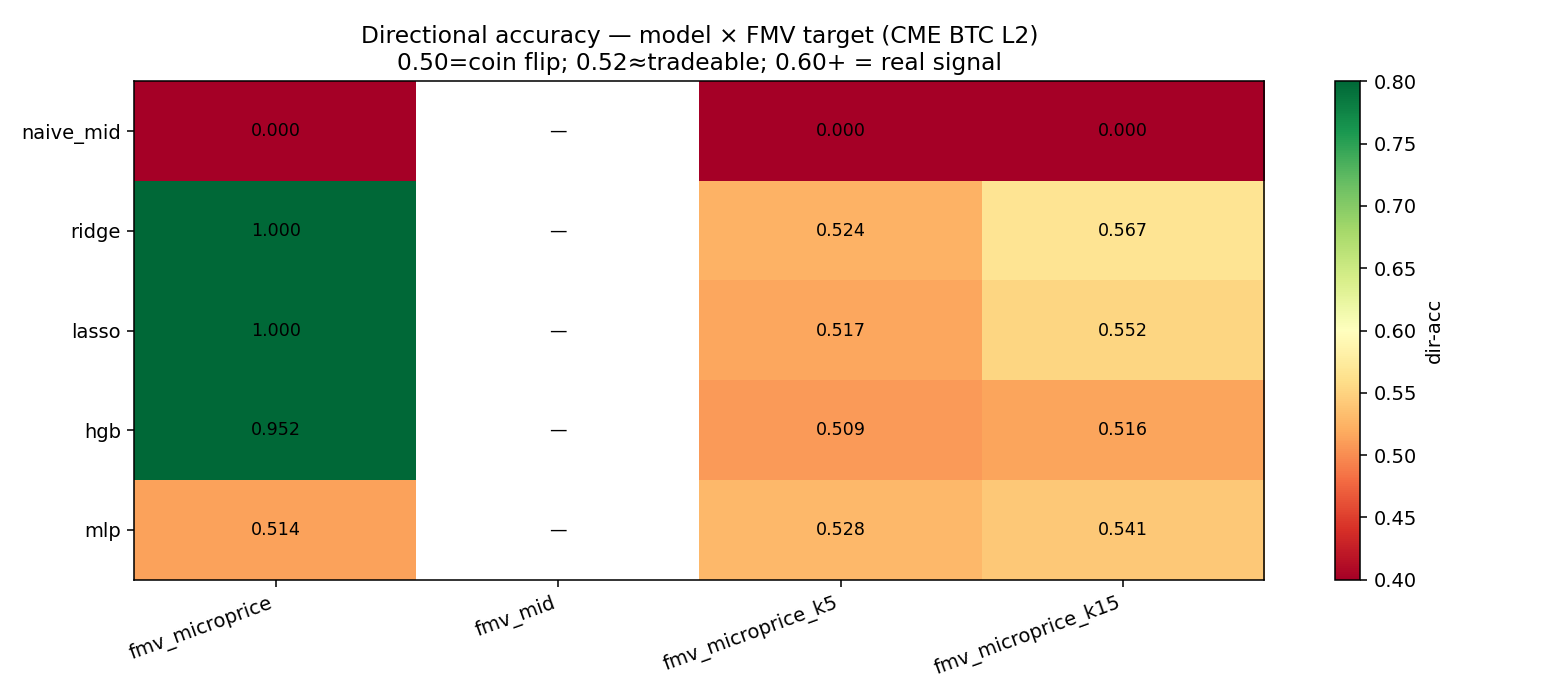
Is Bitcoin's Fair Value Learnable? A Four-Round Microstructure Study
Fitting linear, tree, and neural models to predict BTC fair-market value from bar and order-book microstructure — and measuring how little forward signal survives.
Read paper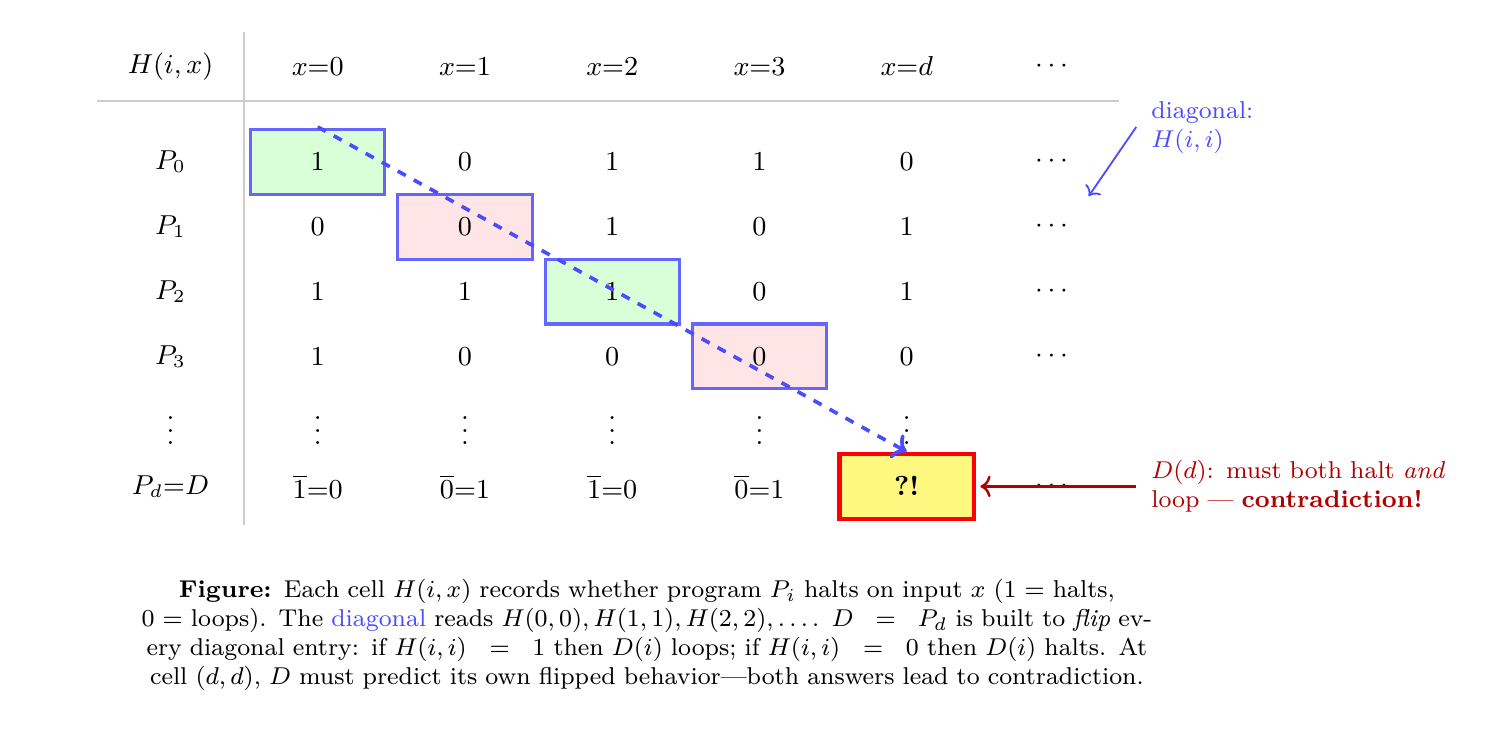
On the Impossibility of Universal LLM Halting Prediction
No computable judge, however large, can decide truth or human-versus-machine authorship for every input — the Halting Problem forbids it.
Read paper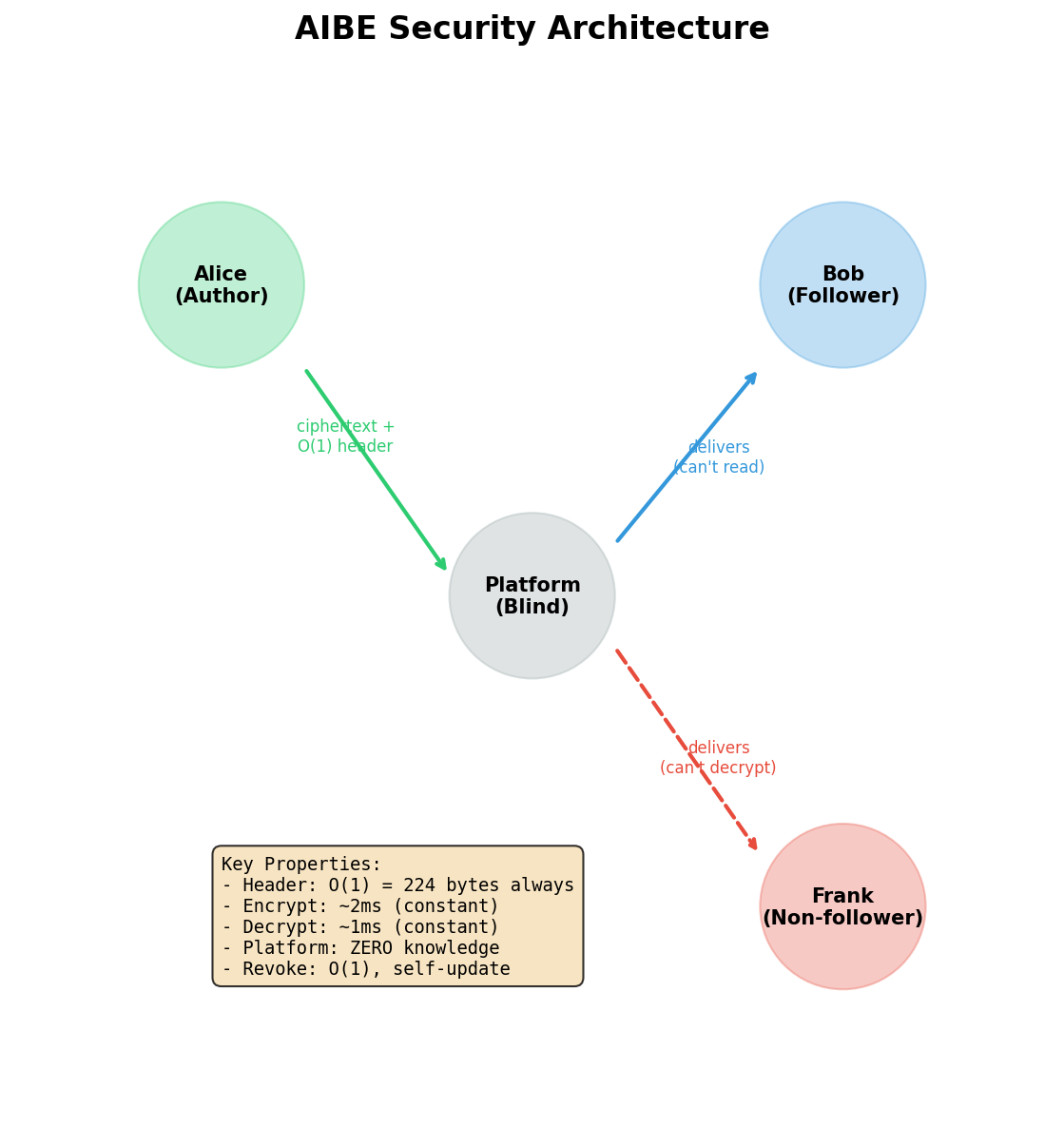
Accumulator-Indexed Broadcast Encryption (AIBE): O(1) Broadcast Encryption for Dynamic Groups via Bilinear Accumulators
O(1) broadcast encryption for dynamic groups — constant-size headers, constant-time encrypt/decrypt, and revocation with witness self-update, proven in Lean 4.
Read paper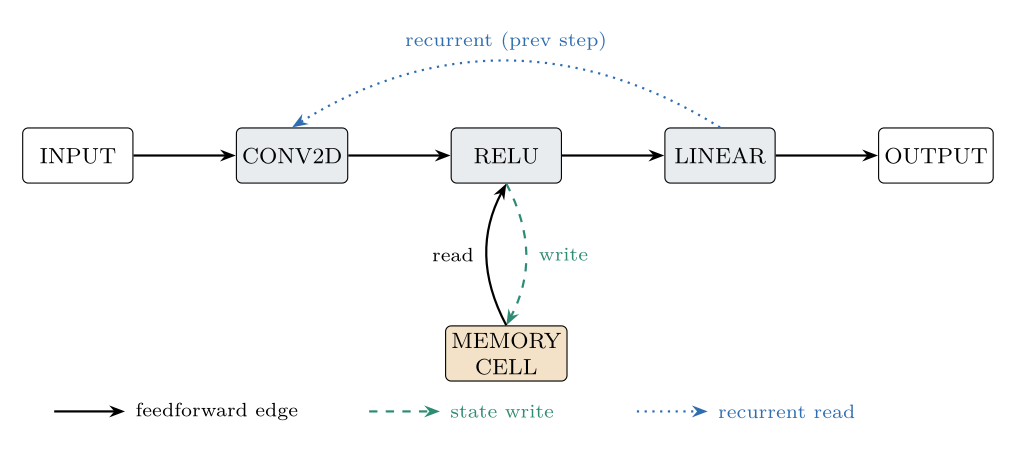
EDAG: Evolutionary DAG Search for Neural Mechanism Discovery
A graph genome, three kinds of wires, and a quality-diversity archive that lets memory and recurrence evolve rather than be designed.
Read paper